
Innovation Keynote: Unleashing the Power of Oracle Cloud Infrastructure
Innovation is at the heart of how NetSuite powers our customers’ growth. Executives from across NetSuite Cloud Operations discuss how OCI helps provide a consistently best-in-class experience for each NetSuite customer. Listen in to hear about how NetSuite is scaling our global footprint using automation and orchestration, squashing performance problems before they impact customers with […]
Innovation Keynote: New(ish) to NetSuite? Here Are Your Keys to Success
Are you new to NetSuite? You might be wondering about available training and support options, or maybe you’re ready to customize or add additional modules. Where do you start? How are other NetSuite customers unlocking success? Get answers to these questions and hear words of wisdom from experienced customers, who will pass down insights on […]
What is Just-in-Time (JIT) Inventory Management?

Just-in-Time inventory, commonly referred to as JIT, is an inventory management strategy in which raw materials arrive as soon as production is scheduled to begin but no sooner. The goal is high-volume production with minimal inventory on hand to meet demand and eliminate waste. What is Just-in-Time (JIT) Inventory Management? – YouTube
What Is Free Cash Flow? FCF Explained
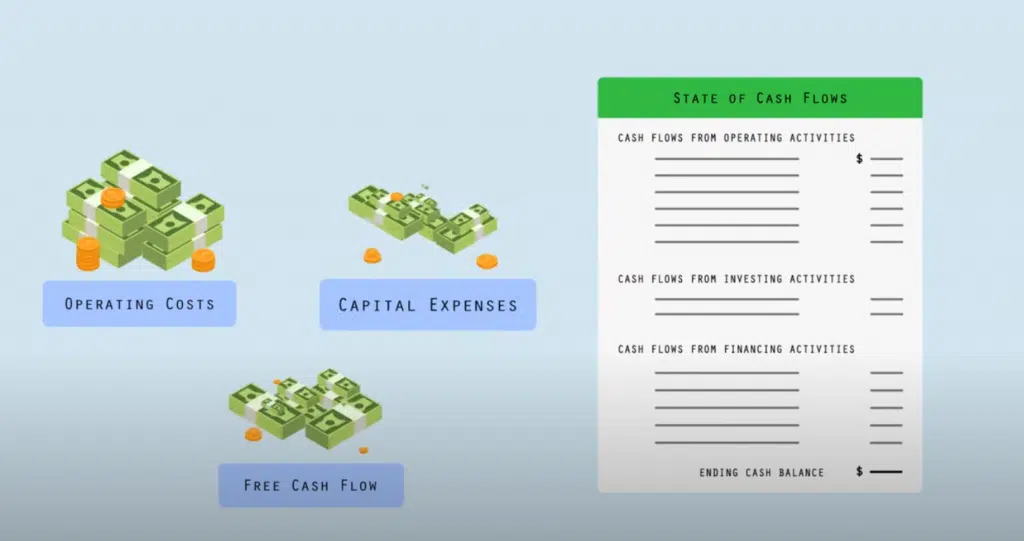
Free cash flow (FCF) is the money left over from revenue after a business pays all of its financial obligations—operating expenses plus capital expenditures—during a specified financial period. This cash can then be used for discretionary spending, such as investing in business expansion or building financial reserves. FCF helps track the financial health and sustainability […]
What Are NetSuite Dunning Letters?

A dunning letter is a letter or email that accounts receivable departments send to customers as a reminder to remit overdue payments. While this can be a manual and time-consuming process, NetSuite’s Dunning Letters solution simplifies it, automatically sending payment reminders at specified intervals based on account balance, invoice amount or other criteria. By automating […]
What Is NetSuite ERP & How Does It Work?

NetSuite is the leading integrated business software suite that includes enterprise resource planning (ERP), accounting, customer relationship management (CRM), inventory management, human resources, ecommerce and more. Built in the cloud, NetSuite ERP provides real-time visibility into critical accounting and operational information, automates processes across the entire organization and increases productivity and efficiency to help growing […]
Slowed by QuickBooks: Project Accounting
If you’re using QuickBooks for project accounting, you’re struggling to keep up with the many processes involved in it: managing budgets, timesheets, resources, expenses, invoices, margins, revenue recognition and more. NetSuite’s comprehensive, end-to-end professional services automation solution, SuiteProjects, automates these processes and integrates them with the rest of your financials, helping you control costs, increase […]
How Integrated Customer Data Helps Farmpal Predict Consumer Demand

Agritech startup, Farmpal, developed a digital platform that connects Indian farmers directly to customers. Founded in 2017, its mission is to overcome India’s agricultural problems through the power of technology. Farmpal co-founder, Karan Hon, explains how deploying Oracle NetSuite gives the business access to critical customer data and helps it manage its supply chain more […]
What is NetSuite SuiteProjects?

Netsuite SuiteProjects is our professional services automation solution. SuiteProjects helps services organizations manage projects, optimize resources, expedite billing cycles and improve invoicing accuracy. And since it’s built in the suite, SuiteProjects provides full visibility into project data to help organizations operate more efficiently, deliver projects on time and within budget and, ultimately, increase project profitability. […]
What Is Employee Engagement?

Employee engagement is a way to measure and understand how committed and connected your employees are to your business, its growth and its success. Engagement is the result of workplace conditions that provide support and make employees feel fulfilled and valued. A highly-engaged workforce results in retention, additional productivity, work quality, customer satisfaction and overall […]
What Is Procurement Software?
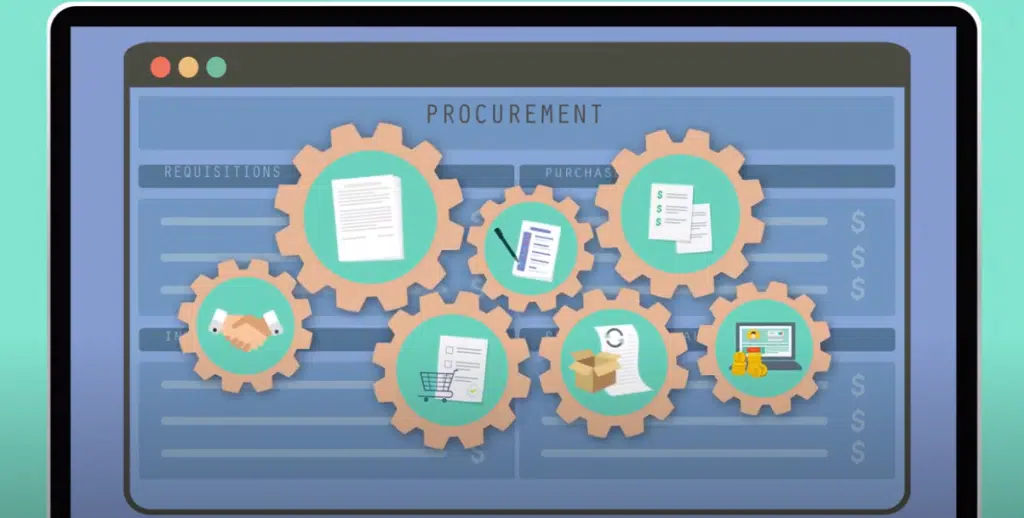
Procurement software centralizes and automates the processes around purchasing goods and services into a single system. These processes include: Managing vendors and contracts, generating purchase requisitions, executing order processing, paying invoices electronically and more. By automating procurement processes, businesses speed time to delivery, control purchasing costs and save employees valuable time otherwise spent on manual, […]
What Is Headcount Planning?

Headcount planning ensures an organization has the right number of employees with the right skillset to meet short- and long-term goals within a defined budget. The headcount planning process–also known as “org charting”–is an important step in understanding what the organization is paying for labor and then tying it to the financial planning and analysis […]
What is Warehouse Management?

Warehouse management involves the principles and processes around running day-to-day warehouse operations, including: organizing the warehouse space, receiving items, scheduling labor, fulfilling orders and tracking inventory as it moves throughout the warehouse. Effective warehouse management optimizes and integrates these processes to increase productivity and lower costs within the warehouse. What is Warehouse Management? – YouTube
What Is Cycle Counting?
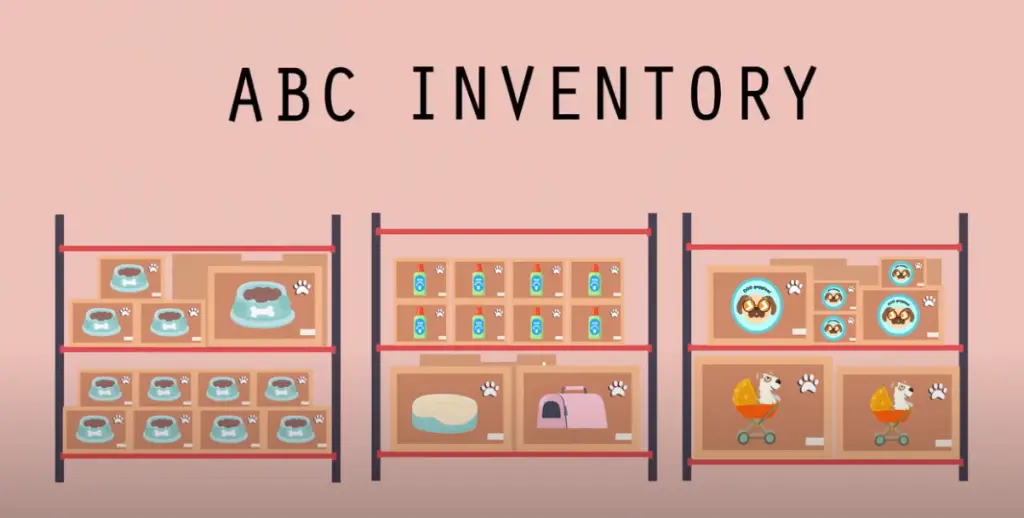
A cycle count is a method of checks and balances by which companies physically count a subset of inventory in a specified location and on a recurring basis to confirm physical inventory counts match inventory records. Implementing periodic cycle counts help minimize interruptions in the warehouse, lower overhead costs and make physical counts less painful. […]
What Is a Physical Inventory Count?
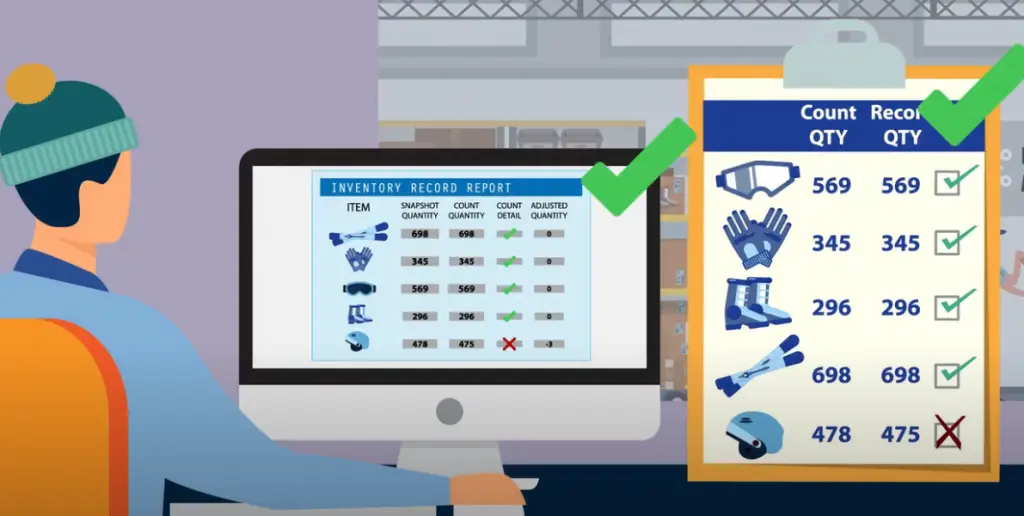
A physical inventory count is a methodical and structured approach to counting a business’s stock. Physical counts typically happen at the end of a reporting period and are used to ensure inventory records and financial statements are accurate. This information provides for better forecasts around sales and purchases, and ensures a business has the right […]
What is Demand Planning?
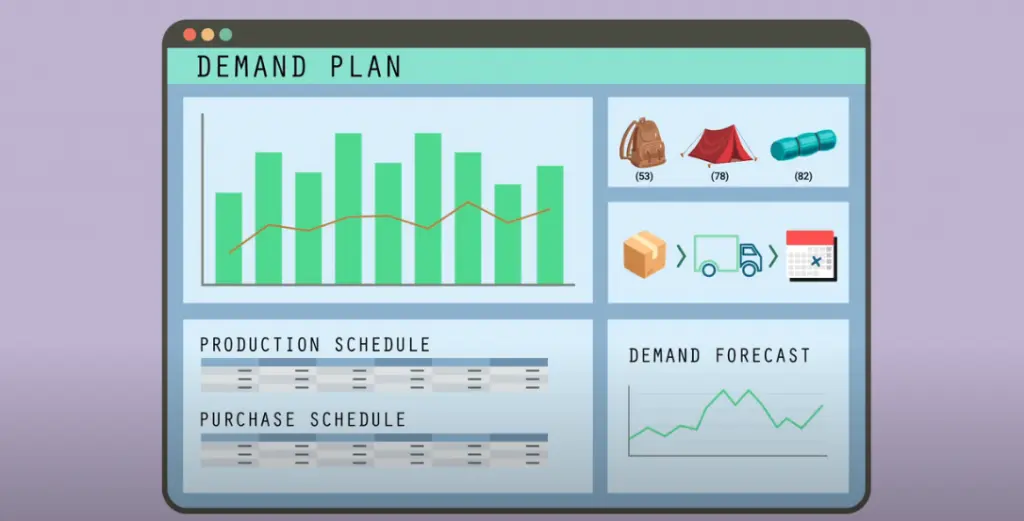
Demand planning helps businesses predict and meet customer demand by analyzing current sales as well as consumer trends, historical sales, seasonality data and a product’s natural lifecycle. Effective demand planning delivers both profit and customer satisfaction by helping businesses create ideal inventory levels, shipping timelines and all the steps needed to meet demand. What is […]
What Is Supply Chain Analytics?

Supply chain analytics is the analysis of information companies draw from procurement, inventory management, order management, warehouse management, fulfillment and transportation management. This information helps business leaders improve supply chain logistics to resolve inefficiencies and give businesses a competitive edge. What Is Supply Chain Analytics? – YouTube
NetSuite vs QuickBooks
While both NetSuite and QuickBooks offer software designed to help businesses manage their accounting processes, there’s a significant gap in the depth of features. NetSuite is designed to scale with growing businesses and offers an entire suite of business management applications like customer management, ecommerce, HR, project management, inventory management, supply chain management and more. […]
What is Order Management?

Order management includes all the processes involved in taking, receiving, tracking and fulfilling a customer order. The process starts once an order is placed and continues as the merchant receives, accepts and fulfills the order. This includes picking, packing and shipping the order, tracking the order until it reaches the final destination, and then fulfilling […]
What is NetSuite Customer Relationship Management (NetSuite CRM)?
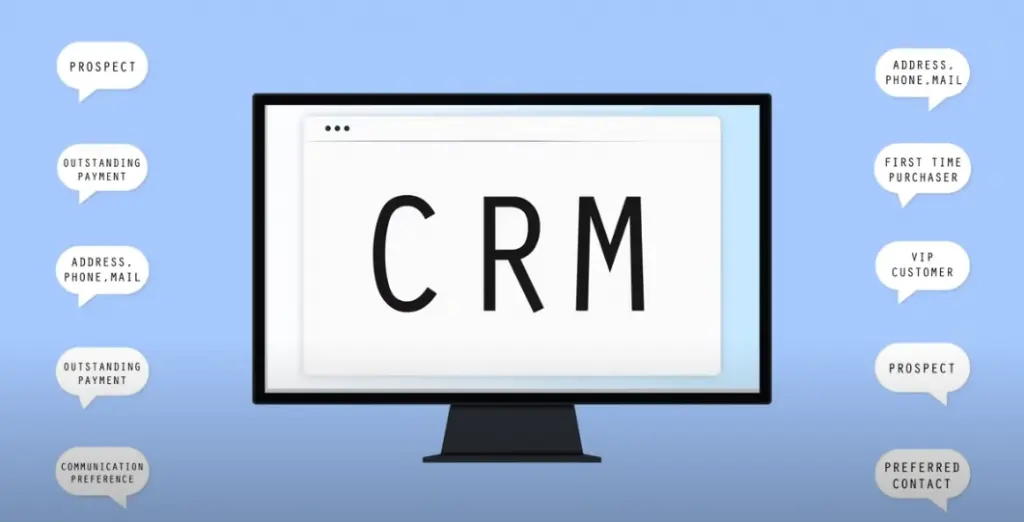
NetSuite customer relationship management (NetSuite CRM) is a centralized repository of real-time customer information and data that’s seamlessly integrated with the rest of NetSuite. It provides visibility across the entire customer lifecycle—from lead all the way through opportunity, sales order, fulfillment, renewal, upsell, cross-sell and support. In addition to offering traditional CRM capabilities (such as […]
What is Supply Chain Planning (SCP)?

Supply chain planning (SCP) helps businesses ensure there’s enough product on hand to meet customer demand in the most efficient way possible. SCP uses forecasting, pricing strategy and inventory management techniques to identify raw materials and components that need to be purchased from suppliers as well as establish an optimized roadmap around production, fulfillment and […]
Financial Automation & Real-Time Business Insights Help DeNA Level Up
Founded in 1999, DeNA has grown rapidly over the past two decades. Today, it designs mobile games, free-to-play mobile apps and browser games. It also operates and develops a range of products and services, including ecommerce websites, entertainment content distribution and artificial intelligence (AI) technology. As DeNA grew and moved into new markets across Asia-Pacific, […]
What is Accounts Payable Automation (AP Automation)?
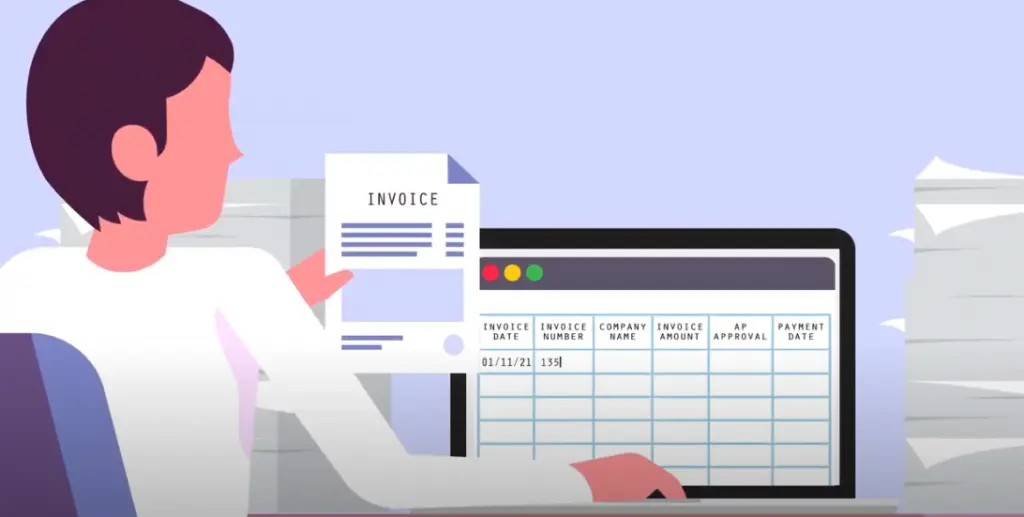
Automating accounts payable makes this time-consuming process more efficient and accurate. What’s not to like? By reducing the amount of manual tasks associated with accounts payable–like receiving invoices, coding them, routing them for approval, payment and reconciliation–AP automation helps businesses improve relationships with suppliers and partners, while saving time and money, reducing days sales outstanding […]
What is Cash Flow Analysis?
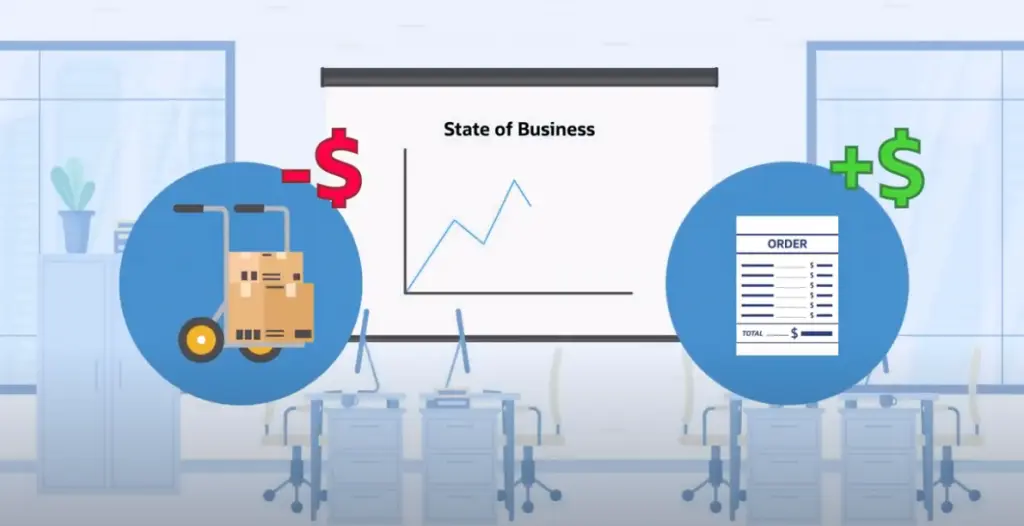
A cash flow analysis correlates line items across operating, investing and financing activities to create a cash flow statement that records how cash is coming in and how cash is going out. Organizations use this to review and analyze the current state of business, spotting trends and making adjustments where necessary. What is Cash Flow […]
Accounts Payable (AP) vs Accounts Receivable (AR)
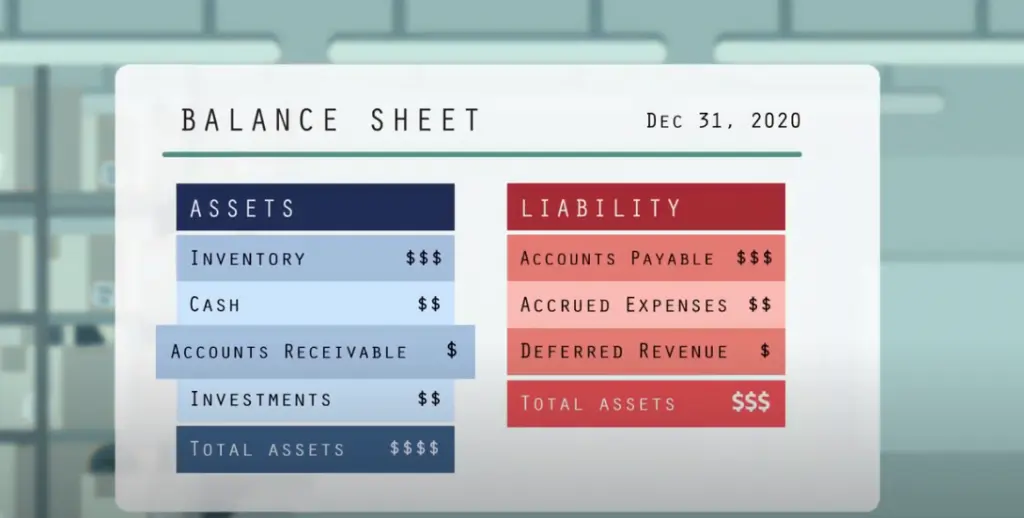
Accounts payable (or AP) represents the amount of money a business owes to creditors and suppliers. Accounts receivable (or AR) is the amount of money owed to a company from creditors, such as customers, distributors and partners. AP is recorded as a liability on a company’s balance sheet, while AR is recorded as an asset. […]